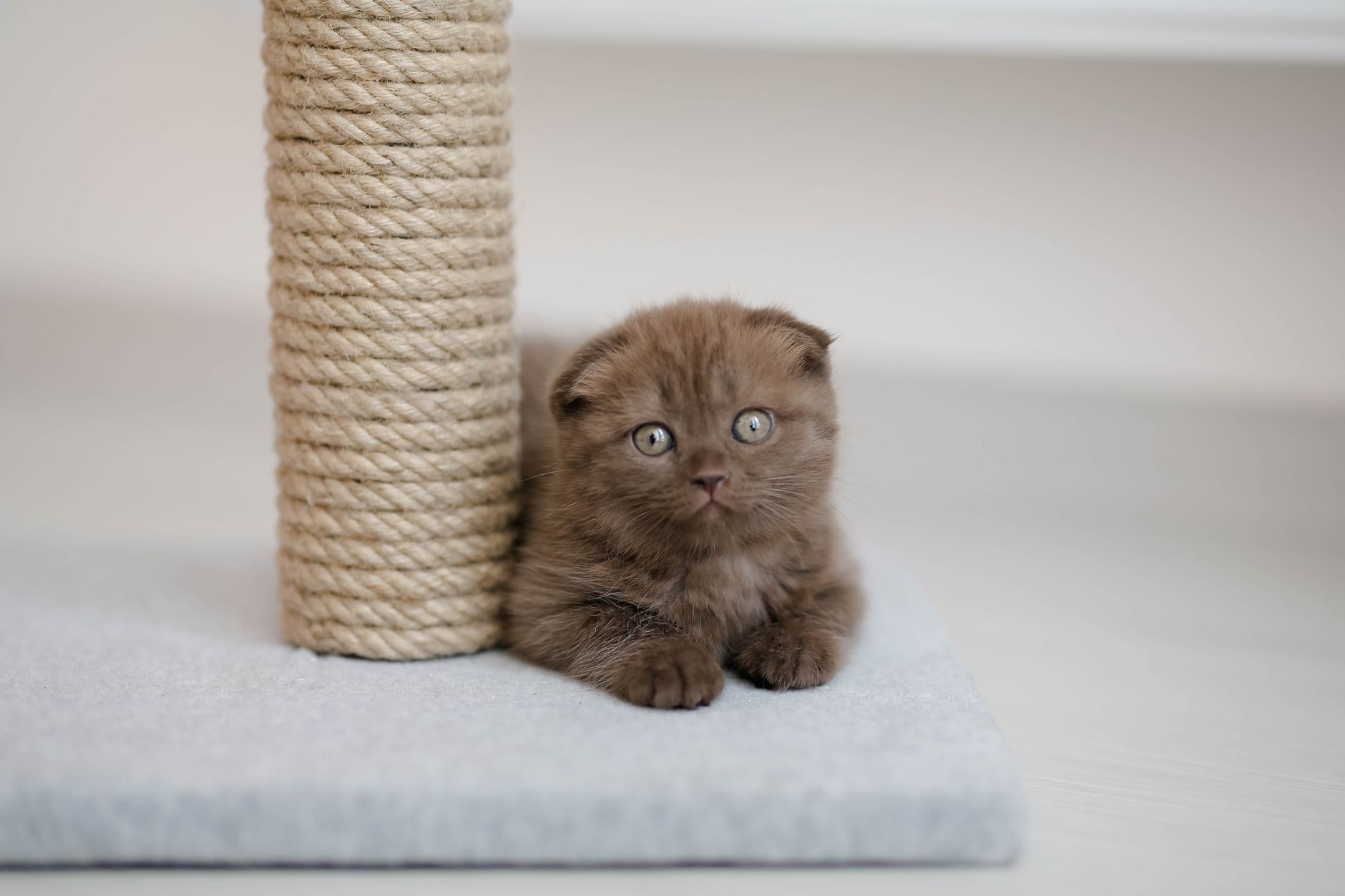
Why Do Cats Scratch? It's Not to Destroy Your Couch
Scratching is an innate, instinctive behavior—not a sign of spite or misbehavior. Cats scratch for several key reasons:
- Marking territory: Cats have scent glands in their paws. Scratching leaves both a visual mark and a scent signal to other animals.
- Stretching and exercise: A good scratch works the muscles of the shoulders, spine, and legs.
- Claw maintenance: Scratching helps shed the outer sheath of the claw, keeping them sharp and healthy.
- Stress relief: Scratching can be a calming activity when a cat feels anxious.
Understanding these motivations is the first step to solving the problem.
Why Your Furniture Is the Target
Cats don't target your sofa out of malice. They choose surfaces that meet their needs:
- Texture: Many furniture fabrics (like linen, velvet, or tweed) feel satisfying to scratch—similar to tree bark.
- Stability: A heavy couch won't wobble, making it a secure scratching post.
- Location: Furniture is often in high-traffic areas where cats feel the need to mark their presence.
Your cat isn't trying to upset you; they're simply following their instincts on the most convenient surface.
How to Stop Furniture Scratching: A Step-by-Step Plan
Step 1: Provide the Right Scratching Posts
Not all scratching posts are created equal. Cats have preferences:
- Material: Sisal rope is the most popular. Cardboard, carpet, and wood also work—experiment.
- Orientation: Some cats prefer vertical posts, others horizontal. Offer both.
- Stability: The post must not tip over. A wobbly post is scary and useless.
- Height: It should be tall enough for your cat to fully stretch (at least 3 feet for an adult cat).
Step 2: Place Posts Strategically
Put scratching posts right next to the furniture your cat is targeting. Once they use the post consistently, you can slowly move it a few inches each day to a more convenient spot for you.
Step 3: Make Furniture Less Appealing
Temporarily cover the scratched area with a material cats dislike, such as double-sided tape, aluminum foil, or a plastic carpet runner (nub side up). These are deterrents, not punishments.
Step 4: Use Positive Reinforcement
When your cat uses the scratching post, reward them immediately with a treat, praise, or play. This builds a positive association.
Step 5: Never Punish
Yelling, spraying water, or hitting will only make your cat fearful and anxious. They won't connect the punishment to the scratching—they'll just learn to avoid you.
What About Declawing?
Declawing is not a solution. It is an amputation of the last bone of each toe, often leading to chronic pain, arthritis, and behavioral issues. It is banned in many countries and strongly opposed by veterinarians. Instead, try the steps above or consult a veterinary behaviorist.
When to See a Vet
If your cat suddenly starts scratching excessively, especially if they also seem restless or aggressive, it could be a sign of stress or a medical issue. A vet check can rule out problems like skin allergies or arthritis.
Frequently Asked Questions
Why does my cat scratch furniture after I trim their nails?
Trimming nails doesn't remove the instinct to scratch. Your cat still needs to stretch and mark territory. Trimmed nails just mean less damage.
Will a scratching post stop my cat from scratching furniture?
Yes, if it's the right type and placed correctly. Many cats need time to adjust—be patient and use positive reinforcement.
How many scratching posts does my cat need?
At least one per cat, plus one extra. Place them in areas where your cat spends time, especially near sleeping spots and entryways.
Is it normal for my cat to scratch furniture even if they have a scratching post?
Yes, especially if the post is not appealing enough. Try different materials, orientations, and locations.
Can I use catnip to attract my cat to a scratching post?
Absolutely. Rub catnip on the post or use a catnip spray. Not all cats respond to catnip, but for those that do, it's a great tool.
What if my cat only scratches when I'm not home?
That's common. Provide engaging alternatives like puzzle toys or a window perch. Consider a pheromone diffuser (like Feliway) to reduce stress.
Does spraying furniture with vinegar deter scratching?
Some cats dislike the smell, but it's not a reliable long-term solution. It's better to make the scratching post more attractive than to make furniture repulsive.
How long does it take to train a cat to stop scratching furniture?
It varies. Some cats switch immediately; others take weeks. Consistency and patience are key. Never give up—your cat can learn.